“How Can I Use This?”

“There is nothing either good or bad, but thinking makes it so.” –Hamlet

“If you can meet with Triumph and Disaster; And treat those two impostors just the same…” –If by Rudyard Kipling

“When something is wrong of going bad, you just look at me and say, Good.” -Jocko Wilink

One of the many gifts that come from fully committing to your passion project, is that you now see everything that happens to you as fuel for your work. You don’t judge the events of your life. But instead you fully accept them and then look to them as inspiration. You continuously ask yourself the question, “How can I use this?”

To go a little bit deeper.

To be a little bit sharper.

To give and risk a little bit more of myself.

So that hopefully in turn, my work can inspire and help others.

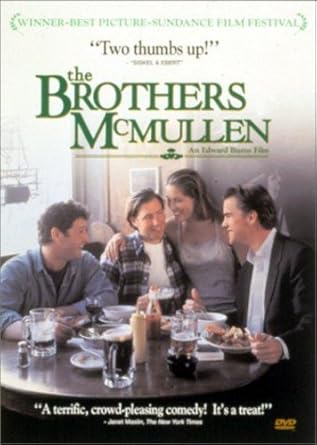
Ed Burns: Three Reasons

Amazon.com: The Brothers McMullen: Jack Mulcahy, Michael McGlone, Edward  Burns, Shari Albert, Maxine Bahns, Catharine Bolz, Connie Britton, Peter  Johansen, Jennifer Jostyn, Elizabeth McKay, Edward Burns, Anthony Bregman,  Bill Baldwin, Dick Fisher,

Inspired by The Criterion Collection’s “Three Reasons” film promos. (watch this as an example; and definitely see the film!) here are three reasons to check out filmmaker Ed Burns and his work.

(1) “Head down. Ass up. Keep moving forward….What other choice do you have?” His mantra. Listen to this podcast.

(2) From superstar debut to being put in “directors jail” to an indie rebirth. A lesson in resiliency. Read this book.

(3) How he made The Brothers McMullen for only 25k and then nearly two decades later, Newlyweds for only 9k! He talks about it length and generously shares all on this podcast. And this one.

No excuses. Go make your movie.

Say What? (Part Two)

How do you know if you have something to say? How do you “find your voice”? How do you attract and engage a readership?

You write a book. Ship it (as Seth Godin is fond of saying). Share it with the world. See what happens.

Then you do it again.

And again.

And again.

And…

You won’t ever know if you have anything to say.

Without actually trying to say something.

Looking For A Producer

I get some form of this call or email with regularity…

“Hi there. I’m looking for a good producer for my upcoming theatre production. Know anyone who might be interested?”

My first thought, especially knowing it’s intimate theatre, is…

“Why are you trying to hire someone else? Why not do it yourself?”

It’s your baby. Your passion project. No one will ever care enough to sweat the details more than you. Nor should you expect them to.

Go Produce Your Art.

Beginner’s Mind

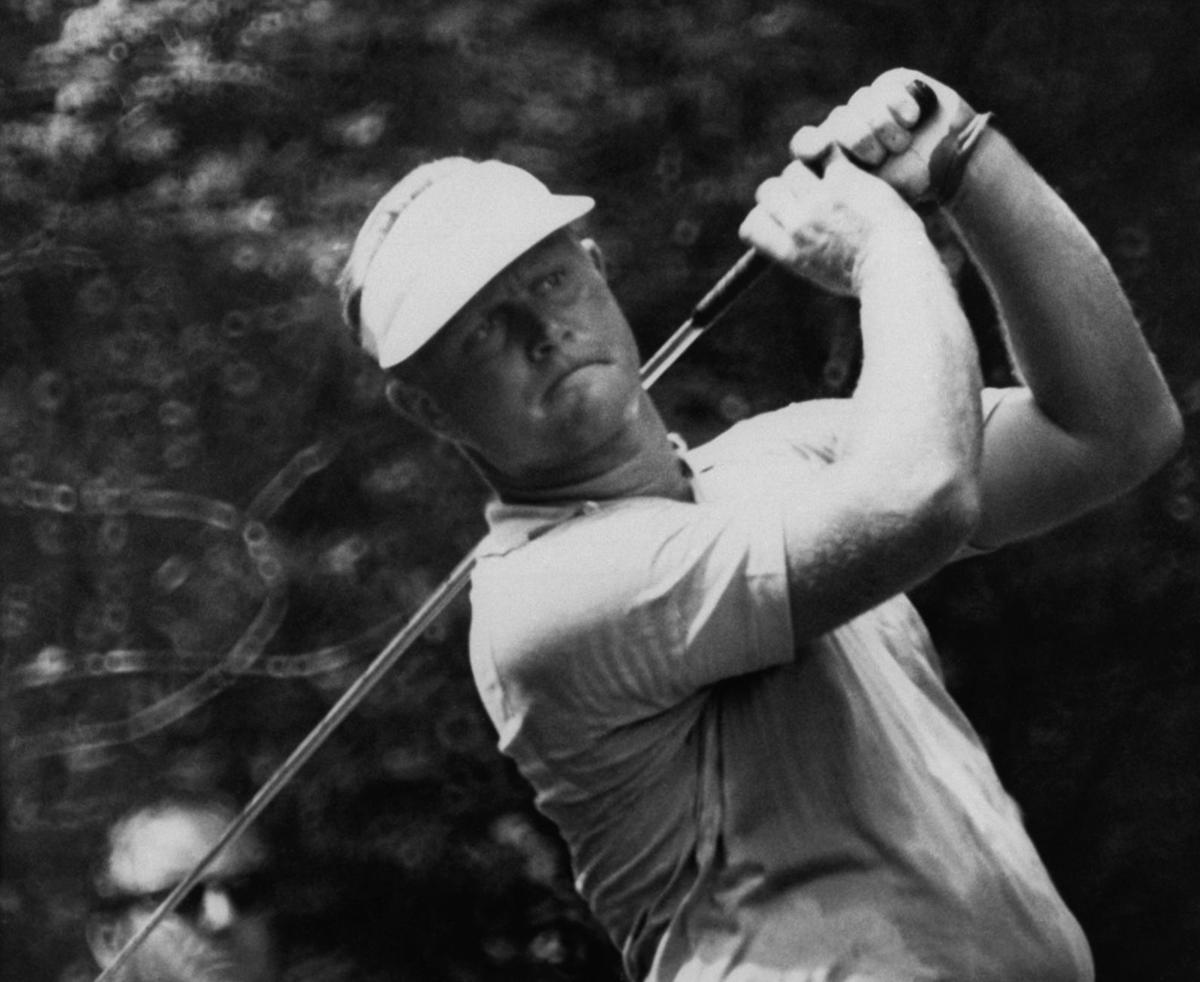
Photos: Anniversary of Jack Nicklaus winning 1967 U.S. Open | Golf |  madison.com

“In the beginner’s mind there are many possibilities, in the expert’s mind there are few.” -Shunryu Suzuki

Know what Jack Nicklaus, the greatest golfer of his time and arguably of all time, would do after every golf season? No matter how successful it went?

He’d return home to work with Jack Grout, his childhood teacher since age ten. They’d review the basic fundamentals and start all over again. From scratch.

There is no getting to the top of the mountain.

There is no arrival.

There is no “I’ve got it down now. Just need to do my thing. I’m good.”

There is only the work. The process. The day after day.

And the humility and openness that comes from always thinking of yourself as a beginner.

Acting and Baseball

Cubs win! Cubs win! Epic Game 7 victory ends Series curse - SweetSpot- ESPN

Just like baseball, it’s really hard to practice acting on your own. You can do a bunch of drills and such to stay sharp, but it’s just not the same as playing in a game or being in a play or film. Acting is, by far, the most collaborative of all the artforms. As such, you need a bunch of things to really be doing it. First and foremost, you need material and other people.

Just accept this as a reality of the path you chose. (And remember…”you chose this path, it didn’t choose you”…as my first acting mentor said to me way back when.)

Now, there are two things you can do about it.

Work your ass off at the business side of things so you get as many at bats (auditions) as possible. Which then hopefully leads to you getting to play actual games (booking work).

Produce your own work. Constantly.

Or if you can, do both.

10,000 To 1

“Deliberate practice is characterized by several elements, each worth examining. It is activity designed specifically to improve performance, often with a teacher’s help; it can be repeated a lot; feedback on results is continuously available; it’s highly demanding mentally, whether the activity is purely intellectual, such as chess or business-related activities, or heavily physical, such as sports; and it isn’t much fun.” -Geoff Colvin, Talent Is Overrated

10,000 hours.

Doing the same thing over and over again? Mindlessly. Not trying to get better. Not seeking out honest, critical feedback. Not being open to new ideas. Not pushing yourself. Not growing. Not stretching. Not learning.

OR.

1 hour.

Of purposeful, deliberate practice.

Which would you choose?

For a deeper dive, check out this excellent article and list of books at the end.

Turn It Into A Podcast?

I love podcasts.

I love listening to plays. When they’re good, oh man, the imagination just runs wild. LA Theatre Works does a phenomenal job. Check them out if you’re not already familiar.

This got me thinking…

The next time you write a play or a screenplay, what if when you finished, no matter what, you also committed to turning it into a podcast?

This I think would accomplish several things.

ONE. Instead of just hoping someone reads your material and decides to produce it (the odds are heavily stacked against you), you’ll have made something yourself. The whole process of getting a director and a cast and tightening the script and rehearsing and then eventually recording it, will be its own reward. You’ll have learned so much and will have this cool, finished product to mark your efforts.

TWO. Should you decide to send out your script to potential producers, you can also send them the podcast. Your message to them: “Here I wrote this. And I know you’re really busy, so if you’d rather listen to it instead, check out this podcast version I also made.” Talk about signaling and showing someone you’re serious! You cared so much about the material that you took the time to make it into a podcast. That’s significant.

THREE. You can put the podcast out there for anyone to listen. Solicit feedback should you want it. Or just for their entertainment value. Or both.

FOUR. All the hard work and time and money you put into making the podcast might just inspire you to not wait around for someone else and instead, make the movie or produce the play yourself. Now we’re talking.

Go Make Your Podcast.