“If deadlines are the only things that motivate you to get stuff done, then it pays to get better at setting and enforcing your own deadlines. The alternative is waiting on other people to set deadlines for you. But then you’ll always be dependent on others for you to get your stuff done. The problem is we hold the deadlines other people set for us as more valuable and important than our own promises to ourselves.” -Gabe The Bass Player
Arbitrary deadlines are a gift. Welcome them every chance you get.
Wanna know what’s an even greater gift (to yourself)? How to take it another level?
Set your own arbitrary deadlines. That is true power. True self mastery.
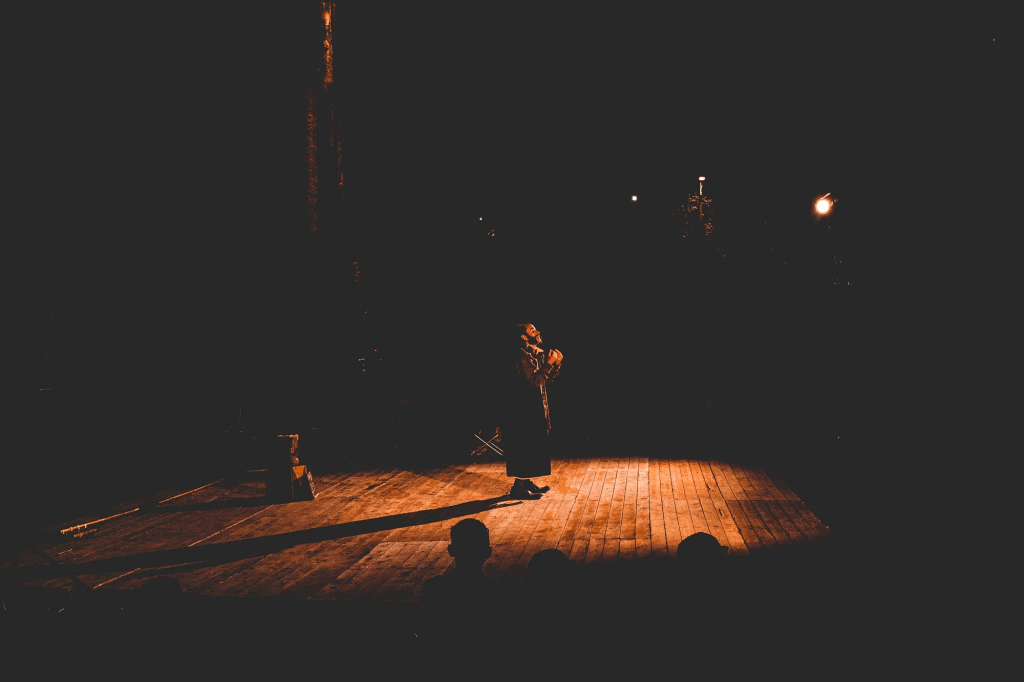
“The knowledge that every day there is something more to learn, something higher to reach for, something new to make for others, makes each day infinitely precious. And I am grateful.” – Uta Hagen, A Challenge For The Actor
“When the student is ready, the teacher appears. When the student is truly ready, the teacher disappears.” -Lao-Tzu
We’ve all heard the adage, “Those who can’t do, teach.”
Hogwash.
Some of the greatest teachers I’ve ever had were also great artists. My first mentor, Kurt Naebig, comes to mind. He’s an incredible actor and director as well as being an inspiring, patient and loving teacher. He brings out your very best. I’m also thinking of Paul Stein, our Vs. Studio Writing and Solo Performance Workshop instructor. Paul is not only a world class teacher, but also a gifted writer, director and producer. I had the privilege of working with Marilyn McIntyre in The Credeaux Canvas. Marilyn is a phenomenal acting teacher and was brilliant in the role of “Tess.” I learned so much from being on stage with her every night. (Not to mention Uta Hagen and Stella Adler who were considered phenomenal actors in their time. Lee Strasberg put his butt and reputation on the line by acting in The Godfather. He was nominated for an Academy Award.)
If you’re a student in any setting (and this goes for any subject, not just the arts), give the teacher the benefit of the doubt. It’s fine to question–critical thinking should be encouraged–but until proven otherwise, assume the teacher has been in your shoes. Certainly that they can empathize with your position. That they deeply know and love the subject they’re teaching and have a passionate desire to share it. Be open minded and try on everything.
If you’re a teacher, never stop growing or stretching. Get back in the trenches (act, write, direct, produce, etc.) every free chance you get. Regularly practice beginner’s mind. And remember, your students will very often be your best teachers.
“The person who says he knows what he thinks but cannot express it usually does not know what he thinks.” -Mortimer Adler
“Writing is the process by which you realize that you do not understand what you are talking about. Of course, you can learn a lot about something without writing about it. However, writing about something complicated and hard to pin down acts as a test to see how well you understand it. When we approach our work as a stranger, we often discover how something that seems so simple in our heads is explained entirely wrong.” -Shane Parrish
Before you tell it, write it. Draft an email or blog post or even an essay. You don’t have to show it to anyone. This is just for your own clarity.
By doing so, you will figure out what you’re really trying to say, why you’re saying it and how best to communicate it.
You might be surprised by where the pen takes you. Don’t fight it. Let your subconscious take over and trust it to take you wherever it takes you.
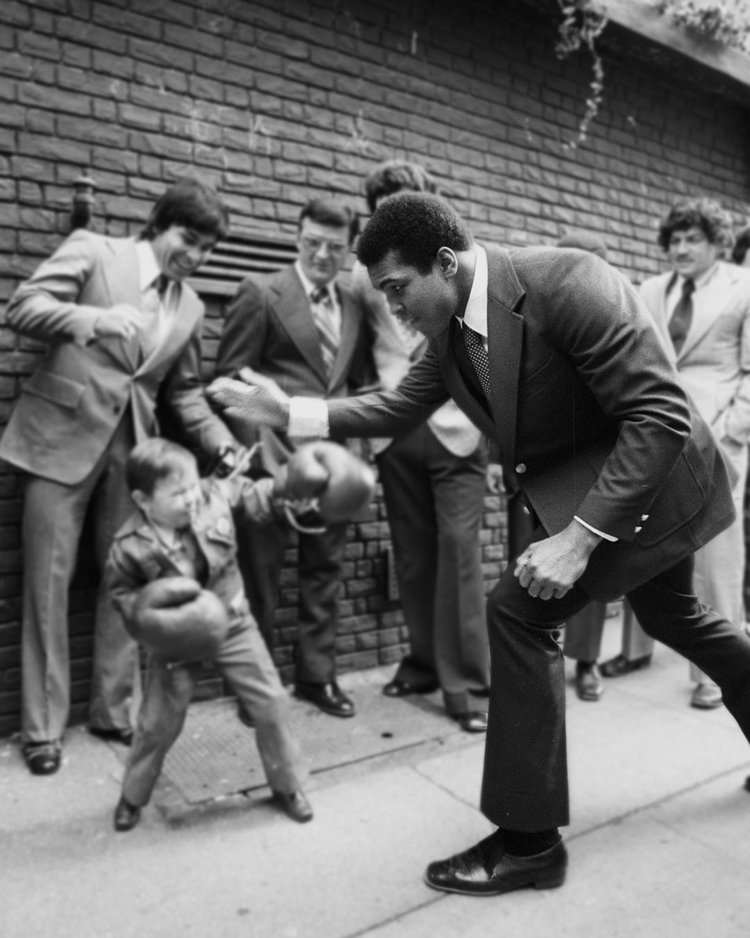
“People will forget what you said, and they will forget what you did, but they will never forget how you made them feel.” -Muhammad Ali
Just like an actor wants to make the other person feel something, (check out this post about legendary acting teacher Earle Gister and his advice on how to do so) if you want to make great art, rally people around your cause/passion project, or make any kind of lasting change in this world, you gotta make ’em feel it first.
Everything flows from feeling. Heart before head. The rest is secondary.
“Use the relaxation to eliminate fear and tension that interrupts expression.” -Lee Strasberg
“The wrong kind of concentration is a stumbling block, and once you have removed it, you are better. If you can concentrate your genuine human powers of attention on fulfilling a concrete task in performance, you will be really good.” -Constantin Stanislavski
Similarly, if you want to be relaxed (a must for any actor), concentrate on something. The famous acting teacher Lee Strasberg developed all kinds of exercises like this one and this one to do just that. One supposedly involved staring at a plate glass window, imagining you could break it with just your voice, and then trying to do just that.
One of the greatest baseball players of all time, Shoeless Joe Jackson, supposedly would stare for hours at a candle flame, to improve his “batting eye” and sharpen his concentration. (This could be apocryphal but it’s a cool scene in John Sayles’ awesome film Eight Men Out. And Shoeless Joe did hit .356 for his career.)
Point being, you don’t get relaxed by “trying to relax.” Instead, concentrate on a task with your whole being– the task could be removing tension in your body per the Strasberg exercise–and as a result of your concentration, you get relaxation thrown in for free.
P.S. – Hat tip to my friend David S. for the Freud quote above.
“We treat the body rigorously so that it will not be disobedient to the mind.” -Seneca
“Art is choosing to do something skillfully, caring about the details, bringing all of yourself to make the finest work you can. It is beyond ego, vanity, self-glorfification, and need for approval.” ― Rick Rubin, The Creative Act: A Way of Being
“The cave you fear to enter holds the treasure you seek.” -Joseph Campbell
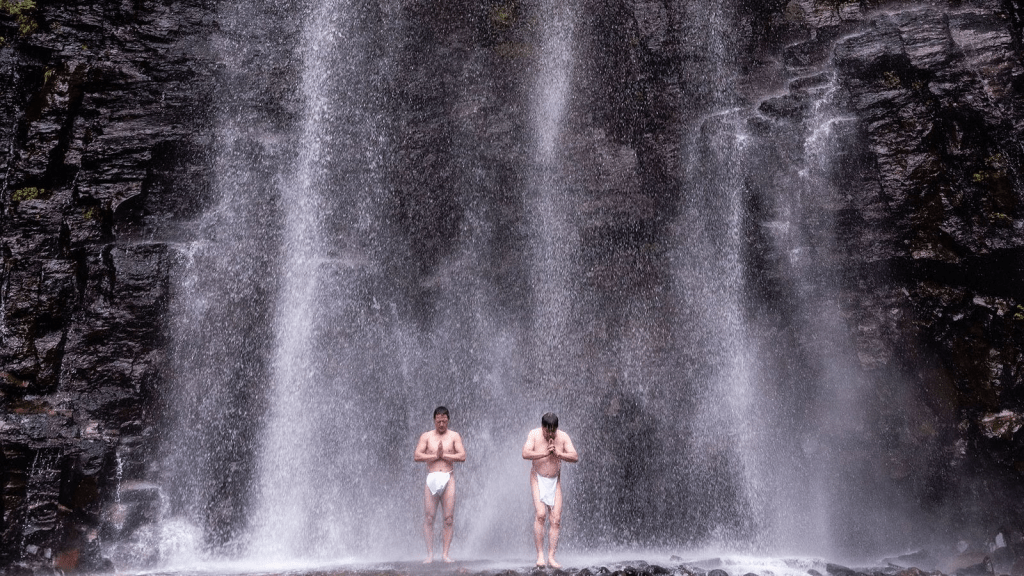
A Misogi is a Japanese Shinto practice of ritual purification by washing the entire body. Another interpretation of a Misogi writes entrepreneur and author Jesse Itzler, is “undertaking a challenging task to transform oneself.” Because when you voluntarily do hard things, amazing growth happens. This explains why people climb mountains, run 100 plus mile races like the Badwater in Death Valley, or stand for hours on end underneath ice cold waterfalls.
These are tremendous physical and mental challenges to take on. And no doubt, one grows tremendously from these. But I propose a different kind of Misogi, one in which you will also grow…I call it, an Artistic Misogi.
Here’s how it works:
Find a piece of material that lights you up, and then commit to manifesting it with excellence and generosity. For yourself. Your fellow artists. And the audience you seek to serve.
Rest assured, you will be scared (and excited). You will be challenged. You will face numerous obstacles along the way.
To execute said material, it will take everything you have. Your pound of flesh. You will have to make sacrifices. Stretch yourself. Learn new skills. Be uncomfortable.
But…
If you commit. If you get organized. If you set realistic deadlines. And then surround yourself with others who are also striving for excellence and generosity, you can make it happen. You can have an incredible, potentially life-altering experience. One that reminds you why you chose this art form in the first place. You can be transformed.
The Vs. Studio Producing Workshop begins soon.
Your Artistic Misogi awaits.
Ready to take the plunge? (I promise, no standing under waterfalls.).
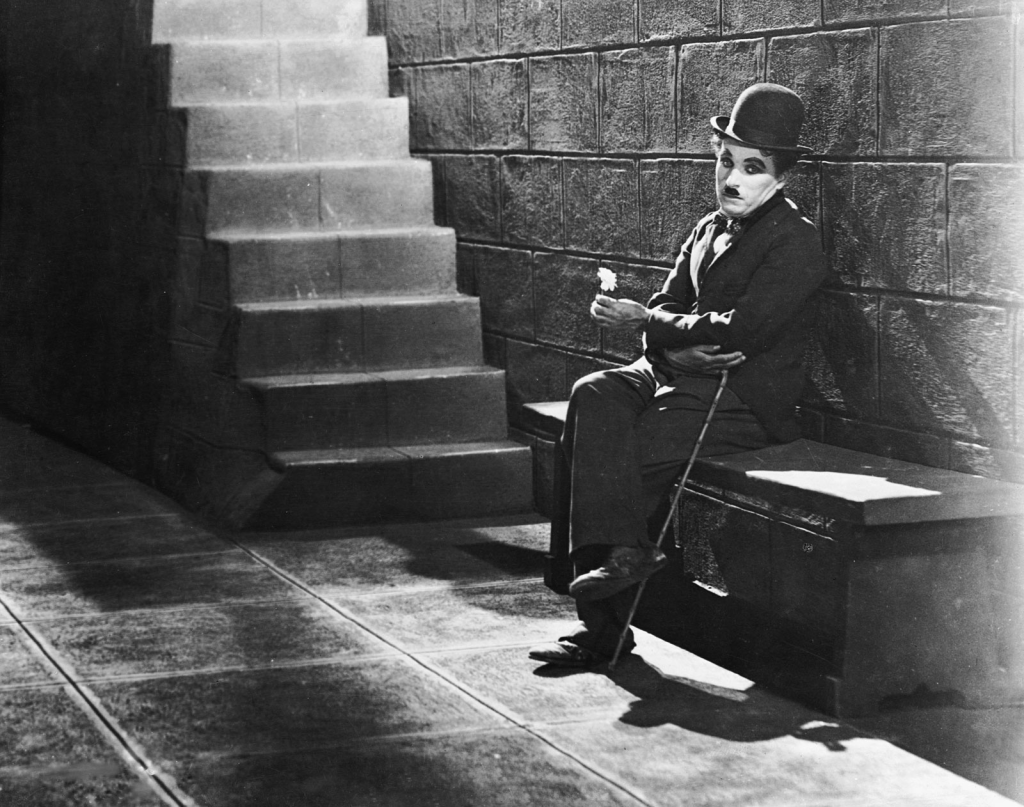
“Don’t tell me the moon is shining; show me the glint of light on broken glass.” -Anton Chekov
For the screenwriter…
A useful exercise after completing your first draft is to go back and see how much dialogue you can eliminate. Challenge yourself to convey each scene’s intent and purpose without the characters uttering a single line of dialogue. Can it be done with simply a look or a gesture? Maybe you’ll realize the scene isn’t necessary at all. (Don’t fret about losing any gold here. It’s just an exercise. You can put every single word back later if you choose to.)
This exercise does two things. One, it aligns your script more closely with what films should be. Compelling images over words. Remember it’s “show, don’t tell.” Two, the dialogue you do keep–including any verbal arias–will now have that much more potency. Your characters will have a more urgent need to speak, and in turn, your script will have that more staying power.
P.S. – Two good articles on “show, don’t tell” are this one and this one.
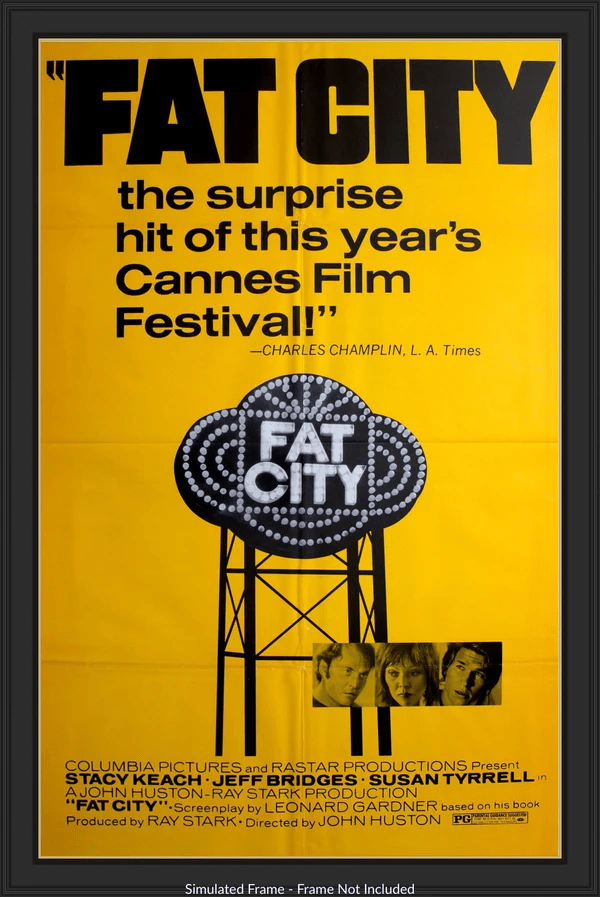
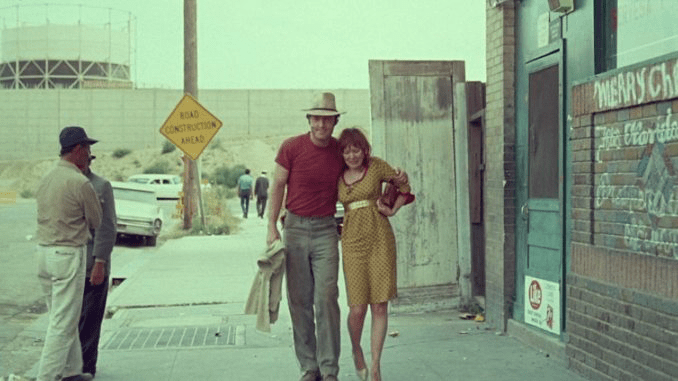
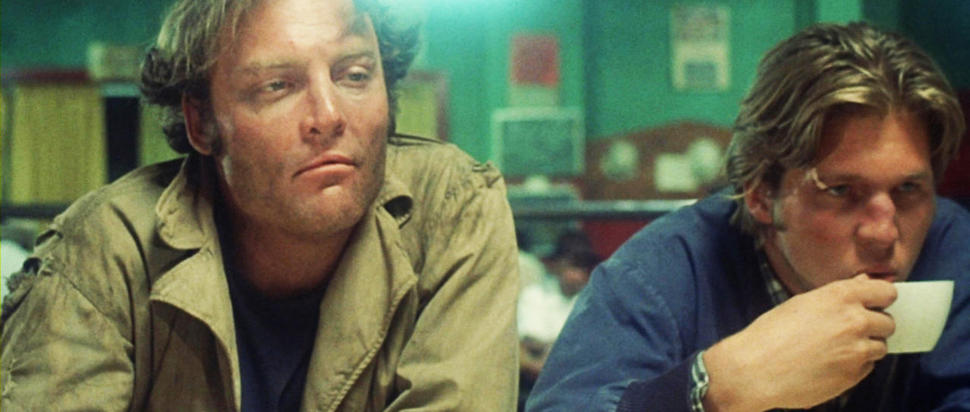
Speaking of great movies and great scenes, John Huston’s Fat City (based on the Leonard Gardner novel of the same title) is a must watch. I just purchased the blu-ray and this scene has been on repeat viewing for me. Susan Tyrell’s portrayal (she was nominated for an Academy Award) of a boozy alcoholic might be one of the best ever captured on film. Stacy Keach is also incredible in this scene and the film overall. The two of them have such great drunk chemistry. His “You Can Count…On Me!” mantra is so fun to watch. Jeff Bridges, Nicholas Colasanto, Candy Clark and the rest of the ensemble are dynamite as well.
The film is also beautifully directed and shot (Conrad Hall at the top of his game). Some critics swear this might be the best–certainly the most authentic and bleakest–boxing movie ever made. Check it out. Lemme know what you think!
“He said to me, ‘I want to do the best acting I’ve ever done,’” Trier says of Lie’s preparation for Worst Person. “He’s gotten better with his craft, and he’s gotten even braver about exposing deeper emotions.” -Joachim Trier, director of The Worst Person In The World on actor Anders Danielsen Lie in Vanity Fair article
And then I watched my favorite scene over and over. It’s this one.
His vulnerability + Her listening = Masterclass.
A great practice whether you’re an actor, writer, director, designer, etc…is to compile a list of your all-time favorite scenes and take time to really study them. Get super granular. Notice all the scene’s intricacies from every perspective.
This “scene work” will educate you and keep you inspired. (And humbled.) It will remind you why you picked this art form (for me, that’s acting) and the kind of work you hope to be able to do for as long as you can do it.
Never stop learning. Never stop growing. Never stop reaching. The day you do is the day you should hang it up. Don’t let that day ever come.
P.S. – What are some of your all-time favorite scenes? Send ’em my way! Thanks!!
If you want to be vulnerable to the other person, you first have to care deeply about everything they say and do to you. It all has to affect you. In many cases to wound you.
If you’re not feeling anything, go back to the relationship. Who is this person to you and why are they so important? Why do you love them? How do they make you crazy? What do you desperately want to change about them? If helpful, write out a backstory. Examine your own life for a similar relationship. And engage your imagination in every way.
Once you’ve solidified that relationship, start at the beginning of the play. Take it off the page. Read each of the other person’s lines outloud to yourself. Go slow. It’s just an exercise. Repeat the lines as many times as you want. Take everything personally. Care what they have to say. Care. Care. Care. You can’t care enough.
I guarantee you, stuff will start coming up. You’ll get cooking. Good. Use it!