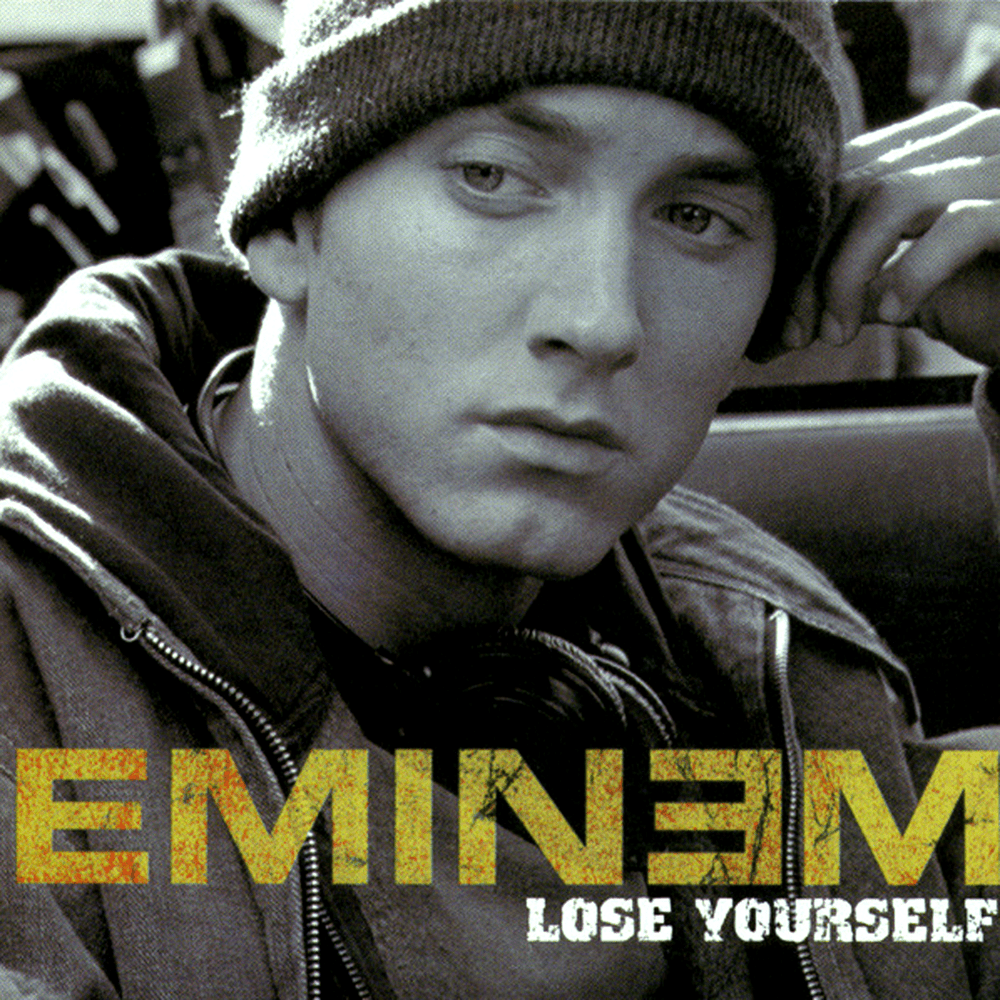
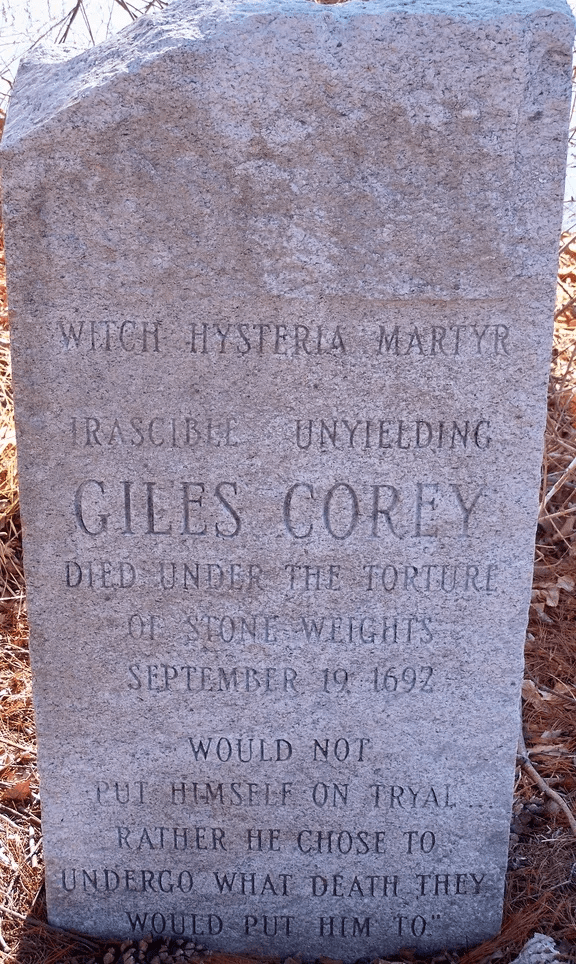
Everybody Wants Some

Everybody wants something.

Few know exactly what that is.

Even fewer know why they want it.

Very, very few are willing to make all the necessary sacrifices and roll with all the changes to get it.

P.S. – This will get you going in the morning.

Bird By Bird. Brick By Brick.

Two inspiring passages to help you when you just can’t seem to get started on a project: (They are both so good I’ll just let them speak for themselves.)

When she’s stuck or feeling overwhelmed by a big project, the writer Anne Lamott likes to think of a story “that over and over helps me get a grip.” When her brother was ten years old, he was stuck on a school project for which he had to write a report on birds. “He was at the kitchen table close to tears,” Lamott writes in Bird by Bird, “surrounded by binder paper and pencils and unopened books on birds, immobilized by the hugeness of the task ahead. Then my father sat down beside him, put his arm around my brother’s shoulder, and said, ‘Bird by bird, buddy. Just take it bird by bird.’”

In Zen and the Art of Motorcycle Maintenance, a young girl is assigned to write a five-hundred-word essay about any topic. She chose to write about the United States. Her teacher—the book’s protagonist, the wise Phaedrus—suggested she narrow it down to Bozeman, Montana. When the due date arrived, she didn’t have a single word written. “She just couldn’t think of anything to say,” the narrator says. “Not a spark of creativity in her anywhere.” Phaedrus gave her an extension. But this time, Phaedrus said, “Narrow it down to the main street of Bozeman.” Again, when the due date came, she had nothing. “Narrow it down,” Phaedrus said, “to the front of one building on the main street of Bozeman. The Opera House. Start with the upper left-hand brick.” She went to the hamburger stand across the street from the Opera House. She started writing about the upper left-hand brick and then the brick next to it and the one next to that. “It all started to come and I couldn’t stop,” she told Phaedrus the next day when she handed in a five-thousand-word essay on the front of the Opera House on the Main Street in Bozeman, Montana.

H/t to Billy Oppenheimer’s terrific weekly newsletter for providing.

Conviction

The word “conviction” originates from the Latin convincere, meaning “to overcome” or “to conquer.”

The only way to know your convictions is when they’re put to the test. You actually have to overcome something. So be grateful for the hardships for they reveal a lot.

Put another way…

No test. No conviction.

Something To Talk About

Whether you love it or hate it or somewhere in between, one giant reason to be thankful for art is it gives you something interesting to talk about.

The Resistance Is Insidious

The Resistance, as author Steven Pressfield so aptly names it in his terrific book The War Of Art, is insidious and takes on many forms.

It might be actual, tangible obstacles thrown in your way. Or just imagined ones in your head.

It’s psychic vampires who suck up your energy and passion. Or supposed “friends” and colleagues who won’t tell you the truth.

It’s shiny new objects that suddenly emerge or “what about if I did this?” opportunities that derail your focus.

It’s chasing accolades over process and losing touch with your why,

Whatever the form, The Resistance is real and it’s coming for you.

When it does, just remember: The more you feel it, the more you know you’re on the exact right path. Otherwise, it wouldn’t be coming for you.

Fight back.

Keep going.

Make.

Your.

Art.

By any and all means necessary.

Diane Keaton On Confidence

We just had a fantastic “Bring Your Art” Night tonight as part of our Vs. Tuesday Night Readings. So many incredibly talented artists shared pieces that were meaningful to them. My good friend Gareth shared the below piece he discovered about Diane Keaton and I thought to share it with all of you…

During the filming of Hampstead (2017), Diane Keaton had a moment that perfectly blurred the line between acting and life. There was a quiet scene where her character, Emily, looks out over the heath — lost, aging, and unsure if she still matters. Between takes, Keaton stayed in character, staring into the distance long after the director called “cut.” When someone asked if she was all right, she smiled faintly and said, “I’m just thinking how strange it feels when the world stops needing you — and you have to start needing yourself.”

The crew went silent. It wasn’t in the script, but it summed up everything Hampstead was about —loneliness, courage, and the rediscovery of self-
worth. Later, when Brendan Gleeson joined her for a scene, Keaton whispered before they started, “Let’s make them believe that two lost people can still find
home.”

Off-camera, Keaton talked openly about how much she related to Emily’s vulnerability. “People think confidence is something you have forever,” she said
during an interview. “It isn’t. You rebuild it, piece by piece, every time life breaks a part of you.”

Her honesty moved even the hardened crew members. One lighting technician recalled, “That day, she wasn’t just acting. She was showing us how to survive being human.”

By the time Hampstead wrapped, the film had become more than a gentle love story — it was Diane Keaton’s quiet manifesto: that it’s never too late to start
over, never too late to be seen, and never too late to be brave.

R.I.P. Ms. Keaton. Your immense talent and beautiful spirit will be so greatly missed.

Amazing and Awful

Whether you receive amazing feedback or awful feedback, they both share one giant trap in common.

Attachment.

You get attached to that amazing feedback and as a result, not take risks in your future work, so as to continue to please.

Or.

You get attached to that awful feedback and completely give up.

To avoid this trap, first be aware that it’s out there. And then, entirely detach from the feedback, good or bad.

Because it’s not about you. It’s about the work. It’s always been about the work.

Go make your next piece of art. And do so as if the prior one never even existed.

Beginner’s Mind is the way.

Line Notes

For the director (assuming it’s a great script)…

Before you give performance “notes”, does the actor actually know their lines? Not kinda knows them, but knows them exactly as written.

If not, start there. Get the lines right and you’ll get the rhythm right. That will probably fix at least 80 percent of everything you wrote down on your legal pad.