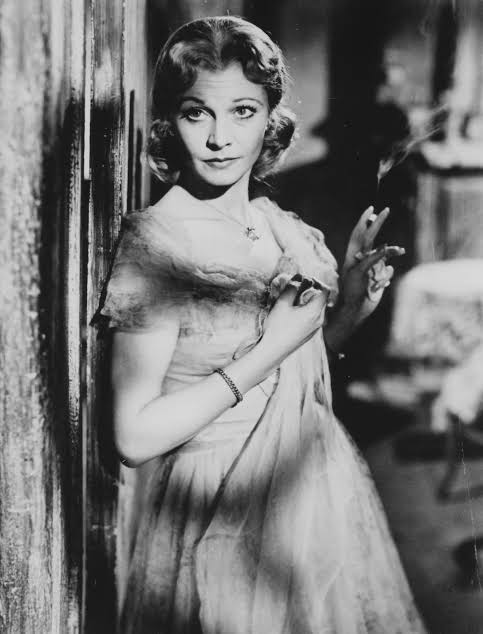
Speaking of theatre and fundraising and economics, another major reason why, just like Blanche Dubois, theatre will always rely on “the kindness of strangers” has to do with something called The Baumol Effect (also termed “Baumol’s Cost Disease”).
In fact, it might be the single most important economic concept for understanding nonprofit theatre.
Economists William Baumol and William Bowen developed the theory in the 1960s. Their central observation was that certain labor-intensive activities cannot achieve the productivity gains found in manufacturing and technology.
Consider a production of A Streetcar Named Desire.
In 1966, you needed actors, designers, technicians, stage managers and a theatre.
In 2026, you still need actors, designers, technicians, stage managers and a theatre.
You can’t make a production twice as productive simply by asking six people to do the work of twelve. Meanwhile, wages, benefits, insurance, facilities and other expenses have increased.
Theatre production costs rise with the broader economy, but theatre productivity cannot increase at the same rate.
This creates a structural funding gap.
What increasingly fills the gap?
You guessed it: The kindness of donors.

